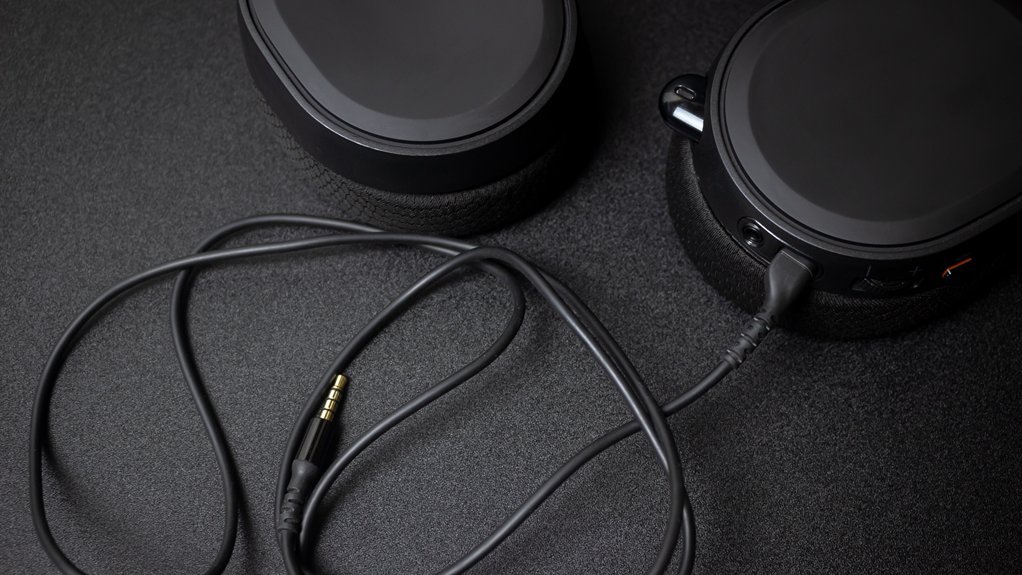
Playing Rocksmith without the guitar cable is possible, but not straightforward. Official paths exist, yet they preserve data integrity and aren’t true guitar connections. Practical workarounds simulate input, but reliability and timing suffer. Latency remains a stubborn hurdle, even with newer hardware. The question is whether any approach delivers consistent, useful practice. The answer isn’t clear, and the stakes aren’t trivial, so one should weigh the trade-offs before committing to a method. The conversation continues for those weighing their options.
What Playing Rocksmith Sans Cable Actually Means
What does playing Rocksmith without a cable actually entail? The approach relies on indirect methods to interpret signals, not conventional hardware. A detached observer notes limited accuracy, inconsistent timing, and notable gaps between intent and result. No latency frustration is avoided by skepticism about reliability, yet potential benefits emerge. The discussion centers on practice only implications, not full performance fidelity.
Official Options: Supported Paths Without a Guitar Cable
Official options for playing Rocksmith without a guitar cable are limited to sanctioned, hardware-supported methods. The article notes official options exist, but they define supported paths without cable rather than open experimentation.
Guitar input must originate from compatible adapters or consoles, preserving data integrity.


Skepticism remains: freedom-minded players should scrutinize performance reliability and potential policy constraints before committing.
Practical Workarounds: How to Simulate a Guitar Input and Learn
One practical approach is to simulate guitar input using non-standard devices or software, but such methods require careful evaluation of latency, signal routing, and compatibility.
The article remains skeptical about reliability, emphasizing disciplined practice methods and measured experimentation.
Users should assess latency reduction strategies, verify flush synchronization, and compare results across setups before committing time or money.
Freedom-minded learners value transparent testing and repeatable outcomes.
What You’ll Miss Without the Cable and How to Minimize Latency
Without the cable, players miss the immediacy of real-time input and the precision of system-timed feedback, exposing gaps in timing that can hinder learning.
The article notes newer hardware can reduce some delays but cannot erase latency challenges entirely.
Readers seeking freedom should test setups critically, compare responses, and prioritize reliable input reliability over sensational promises.
Skepticism remains warranted and practical.
Frequently Asked Questions
Is Playing Rocksmith Without a Cable Legal and Supported?
Playing Rocksmith without the cable is not generally legal or officially supported, due to licensing and hardware constraints. It raises legal considerations, while hardware compatibility remains uncertain; skepticism persists about unauthorized methods and freedom versus compliant, legitimate play.
Can I Use Bluetooth Adapters to Replace the Guitar Cable?
Using Bluetooth adapters to replace the guitar cable is not supported and may be unreliable. The approach relies on unofficial workarounds, and Bluetooth latency undermines timing, making it a skeptical and freedom-seeking but impractical solution.
Do Third-Party Apps Reliably Convert Audio Input to Rocksmith?
Alternative methods alarm, but accuracy abides: third-party apps rarely reliably convert audio input to Rocksmith; skeptical evaluation suggests limited consistency. Audio interfaces offer improved stability, yet success remains uncertain. Freedom-seeking users should proceed cautiously, recognizing potential performance pitfalls and variability.
How Does Latency Impact Learning Without a Direct Instrument Input?
Latency impact is real; learning effectiveness diminishes without direct instrument input. The detached assessment notes skepticism about substitutes, stressing that freedom-minded users should demand reliable, low-latency solutions, while acknowledging limited replication of true, immediate feedback.
Are There Budget Alternatives That Still Work With Rocksmith?
Silence hangs like a teardrop, then: yes, budget options exist and wireless workarounds can sometimes work. Skeptically, Rocksmith may struggle with latency; reliability varies. The audience seeking freedom should test affordable adapters and expect mixed results.
Conclusion
In sum, Rocksmith without a guitar cable remains a tenuous workaround rather than a true playthrough. The article notes official, supported routes that preserve data integrity, contrasted with questionable, latency-prone simulations. Practitioners should test, compare setups, and value input reliability over fidelity promises. Latency persists like a stubborn shadow; newer hardware helps but cannot erase it. Skeptics are cautioned to measure practice gains against the inconvenience, treating any results as provisional outcomes rather than definitive progress. It’s a cautious gamble, not a guarantee.